

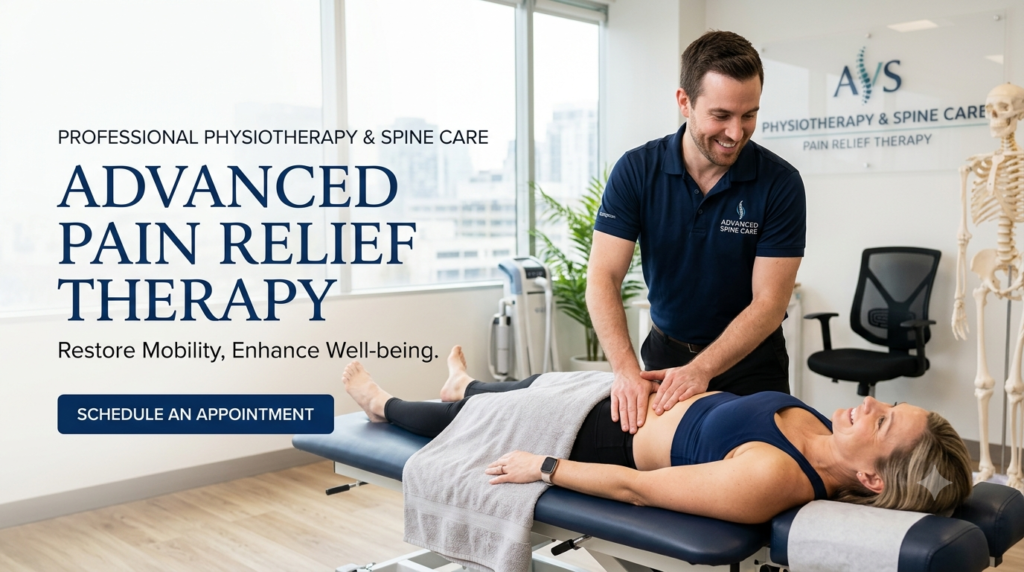
Pain Relief Therapy
Pain Relief Therapy is a personalized approach that focuses on identifying the possible cause of pain and using appropriate therapeutic techniques to manage symptoms, improve mobility, and support recovery.
At Vandana Multi Speciality Clinic, pain-management care can be tailored according to the patient’s symptoms, physical condition, and functional requirements.
What Is Pain Relief Therapy?
Pain Relief Therapy refers to a range of therapeutic approaches used to help manage pain and improve physical function.
Depending on the cause and location of the pain, therapy may involve:
- Therapeutic exercises
- Stretching and mobility exercises
- Manual therapy
- Soft-tissue techniques
- Posture correction
- Joint-mobility exercises
- Strengthening exercises
- Heat or cold therapy when appropriate
- Activity modification
- Patient education
The exact treatment depends on the patient’s symptoms and assessment.
The goal is not simply to mask pain but to address contributing factors and help the patient return to comfortable movement and daily activities.
What Causes Pain?
Pain can develop for many different reasons.
Common causes include:
Muscle Strain
Overstretching or overuse of a muscle can result in pain, stiffness, and reduced movement.
Joint Problems
Conditions affecting joints can cause pain, stiffness, swelling, or difficulty moving.
Sports Injuries
Sprains, strains, and other sports-related injuries may require rehabilitation and gradual return to activity.
Poor Posture
Long periods of sitting, standing, or working in an unsuitable position can contribute to discomfort, particularly in the neck, shoulders, and back.
Repetitive Movements
Repeated movements at work, during exercise, or in daily activities can place excessive stress on muscles and joints.
Back and Neck Problems
Back and neck pain may be associated with muscular, joint, disc-related, postural, or other causes.
Age-Related Changes
Musculoskeletal changes can occur as people get older and may contribute to stiffness or discomfort.
Because pain has many possible causes, identifying the underlying problem is an important part of treatment.
What Areas Can Pain Relief Therapy Help With?
Pain-management therapy may be used for different areas of the body depending on the underlying condition.
Neck Pain
Neck discomfort may occur because of posture, prolonged screen use, muscle tension, injury, or other conditions.
Treatment may focus on improving neck mobility, posture, muscle strength, and movement patterns.
Back Pain
Back pain is common and can affect people of different ages.
A treatment plan may include mobility exercises, strengthening, posture education, and gradual return to normal activity where appropriate.
Shoulder Pain
Shoulder pain can be associated with injuries, overuse, stiffness, muscle weakness, or other conditions.
Therapy may focus on restoring shoulder movement and improving the strength and control of surrounding muscles.
Knee Pain
Knee discomfort can result from injury, overuse, joint problems, weakness, or changes in movement.
Strengthening and mobility exercises may be included when clinically appropriate.
Hip Pain
Hip pain can interfere with walking, sitting, climbing stairs, and other activities.
Assessment can help determine which muscles, joints, or movement patterns may need attention.
Muscle Pain
Muscular pain may develop following exercise, physical work, injury, prolonged posture, or repetitive activity.
Treatment can include appropriate stretching, strengthening, movement training, and other therapeutic techniques.
How Does Pain Relief Therapy Work?
A pain-management program generally begins with an assessment.
Step 1: Initial Assessment
The therapist or healthcare professional may discuss:
- Where the pain occurs
- When the pain started
- What makes it better or worse
- Previous injuries
- Daily activities
- Work-related movements
- Exercise habits
- Mobility limitations
- Relevant medical history
A physical assessment may also be performed where appropriate.
Step 2: Identifying Contributing Factors
Pain does not always come from the area that feels painful.
For example, discomfort may be influenced by:
- Muscle weakness
- Reduced flexibility
- Poor movement patterns
- Joint stiffness
- Postural habits
- Repetitive activities
- Previous injuries
- Excessive physical load
The assessment helps determine which factors may be contributing to the problem.
Step 3: Personalized Treatment Plan
After assessment, a treatment plan can be developed according to the patient’s condition and goals.
The plan may include one or more therapeutic approaches.
Types of Pain Relief Therapy
Therapeutic Exercise
Exercise is often an important component of rehabilitation.
Depending on the condition, exercises may be used to improve:
- Strength
- Flexibility
- Balance
- Mobility
- Coordination
- Endurance
- Functional movement
Exercises should be selected according to the individual’s condition rather than performed randomly.
Stretching and Mobility Exercises
Reduced flexibility or joint mobility can contribute to movement difficulties.
Appropriate stretching and mobility exercises may help improve movement and reduce stiffness in suitable cases.
Manual Therapy
Manual therapy involves hands-on techniques performed by a trained professional.
Depending on the patient’s condition, techniques may be used to address soft-tissue tightness, joint mobility, or movement restrictions.
Soft-Tissue Therapy
Soft-tissue techniques may be used for certain muscle and soft-tissue problems.
The treatment approach depends on the cause of the symptoms and the patient’s individual condition.
Posture Correction
Poor posture may contribute to discomfort in some people, particularly when combined with prolonged sitting or repetitive activities.
Therapy may include education about:
- Sitting position
- Workstation setup
- Standing posture
- Sleeping positions
- Lifting techniques
- Screen and device use
Strengthening Therapy
Weak muscles can sometimes contribute to poor movement mechanics and difficulty performing daily activities.
A progressive strengthening program can help improve muscle capacity and functional movement when appropriate.
Benefits of Pain Relief Therapy
Depending on the cause of pain and the individual’s response to treatment, therapy may help with:
Pain Management
Appropriate treatment can help reduce pain and improve comfort.
Improved Mobility
Exercises and therapeutic techniques may help restore movement.
Better Muscle Strength
Progressive strengthening can improve the body’s ability to perform daily activities.
Improved Flexibility
Mobility and stretching exercises can help address certain movement restrictions.
Better Functional Ability
The aim of rehabilitation is often to help patients return to activities that matter to them.
Injury Rehabilitation
A structured rehabilitation program can support recovery following certain injuries.
Prevention of Future Problems
Education about movement, posture, exercise, and activity management may help reduce the risk of recurring problems in some situations.
Frequently Asked Questions About Pain Relief Therapy
1. What is Pain Relief Therapy?
Pain Relief Therapy is a personalized approach that may use therapeutic exercises, manual techniques, mobility training, strengthening, posture education, and other appropriate methods to help manage pain and improve physical function.
2. What types of pain can therapy help with?
Depending on the underlying cause, therapy may be used for certain types of back, neck, shoulder, knee, muscle, joint, and sports-related pain.
3. Can physiotherapy completely cure pain?
The outcome depends on the cause of the pain and the individual’s condition. Therapy may help reduce symptoms, improve movement, and restore function, but no treatment can guarantee complete elimination of pain in every patient.
4. How many sessions will I need?
The number of sessions varies depending on the condition, severity, duration of symptoms, and response to treatment.
5. Is Pain Relief Therapy painful?
Some exercises or therapeutic techniques may cause mild temporary discomfort, particularly when recovering movement or strength. Treatment should not routinely cause significant or worsening pain.
6. Can therapy help back pain?
Yes, physical therapy can be part of the management of many types of back pain. The appropriate treatment depends on the underlying cause.
7. Can therapy help neck pain?
Depending on the cause, treatment may include mobility exercises, strengthening, posture education, and other rehabilitation techniques.
8. Can I exercise while I have pain?
It depends on the cause and severity of the pain. Your therapist can advise which activities are appropriate and how to gradually increase exercise.